
How to build self-discipline without burnout
Self-discipline is often misunderstood.
It’s usually framed as intensity: waking up earlier, pushing harder, doing more than everyone else.
The message is subtle but the pressure is real: if you really wanted it, you would try harder.
But pressure-based discipline activates the stress response. And while stress can produce short bursts of action, it cannot sustain long-term consistency.
A nervous system that feels constantly under threat does not build steady habits. It seeks relief.
If you’ve ever felt highly motivated when setting a new goal, only to feel exhausted and resistant a few days later, the problem is not your character.
It’s your structure.
Sustainable self-discipline is not about forcing effort. It is about reducing decision fatigue, and creating systems that protect your energy.
If you feel stuck in a cycle of starting and stopping, this framework will help you build self-discipline without burnout through clarity, systems, and sustainable rhythm instead of urgency.
Pin for Later 📌
The Psychology of Burnout-Proof Consistency
Before you change your habits, you need to understand why discipline rarely lasts.
Your brain has limited cognitive bandwidth. So every decision you make, from what to wear to when to exercise, consumes mental energy.
Every unfinished task adds to cognitive load.
Over time, this accumulation leads to decision fatigue.
When discipline depends on willpower, you are essentially asking your brain to spend energy it does not have.
So when that energy runs low, resistance appears.
Burnout, therefore, is rarely about excessive ambition. It is usually about unmanaged cognitive load combined with chronic stress.
Burnout-proof consistency is built differently because it:
- Reduces the number of daily decisions you need to make.
- Protects energy rather than depleting it.
- Makes time for recovery
- Aligns identity with behavior so actions feel natural rather than forced.
If you struggle to stay consistent and follow through, you do not lack discipline.
You likely lack a supportive system.
This article will show you how to create one that suits your goals, lifestyle and identity.
Why Traditional Discipline Often Leads to Burnout
Most traditional advice about discipline revolves around intensity.
If you do a quick search on how to build discipline on Pinterest or any other search engine, most results will tell you to do the following.
Push through discomfort.
Ignore how you feel.
Stay motivated no matter what.
Keep going.
What the most common advice around discipline fails to acknowledge is that adding more intensity when balancing work, relationships, personal growth, and other daily responsibilities rarely creates sustainable results.
More often than not, it accelerates exhaustion.
Here’s why.
The Willpower Fallacy
Willpower is a limited resource.
It can vary greatly depending on sleep, stress, emotional state, and cognitive load.
If your consistency depends on how inspired or motivated you feel, then your progress will mirror your mood.
Some days you will feel driven.
Other days you will feel depleted.
When discipline relies on willpower alone, it inevitably fail as soon as motivation fades.
The Pressure Trap
Framing change as urgent “This is your last chance” or “You must fix this now” activates the body’s stress response.
While some people perform well under pressure, it is not sustainable.
Eventually, the nervous system seeks safety, and the behavior collapses.
In other terms, pressure can help you start a sprint but it will never sustain a marathon.
Identity vs. Action
Perhaps most importantly, discipline fails when identity and behavior are misaligned.
If you attempt to change your habits while still seeing yourself as someone who “always quits” or “lacks discipline,” internal resistance will surface.
Your actions will subconsciously reinforce the story you believe about yourself.
Sustainable discipline begins by shifting identity first.
Not through affirmations or creative manifestation tricks, but through repeated evidence that supports your new identity.
11 Steps to Build Self-Discipline Through Systems
Now that we’ve covered the psychology, let’s translate it into structure.
Each of the following steps reduces decision fatigue, protects energy, and builds sustainable momentum.
Step 1: Do a Life Audit Before Setting Goals
Trying to build discipline without clear direction is exhausting.
Before committing to new routines, it’s important to clarify what you are actually working toward. When goals are scattered or misaligned with your values, every action feels heavier than it should.
A life audit allows you to assess where you stand and what you want to achieve.
Instead of chasing external expectations, you begin building toward intentional living.
If you need guidance, start with a complete life audit process using the Wheel of Life to identify what truly matters.
Clarity reduces friction. And when you get rid of friction, discipline becomes much easier.
Step 2: Build Identity-Based Discipline
New habits are easier to stick to when they follow identity.
Instead of asking, “What do I feel like doing now?” ask, “What would a disciplined version of me choose in this moment?”
This small shift removes emotional negotiation and builds self-trust.
When I decided to make my health a priority, this approach helped make decision-making much easier.
Rather than waiting to feel motivated to exercise or waking up wondering what to do, I acted according to the identity I wanted to grow into by asking what someone who already achieved the same goals would do.
This simple shift is powerful because over time, those repeated decisions reshape how you see yourself.
When pressure-based discipline feels dramatic, identity-based discipline feels steady and natural.
Step 3: Reduce Decision Fatigue
Every decision consumes cognitive bandwidth.
So the more choices you have to make throughout the day, the more energy you use and the harder it becomes to follow through.
To reduce this drain, plan as much as possible:
- Set consistent workout times.
- Schedule focused work blocks.
- Plan meals in advance.
- Set 3 priorities for the day
When fewer decisions are required, consistency improves naturally.
Step 4: Design Your Environment
Your environment often defines your behavior more reliably than intention.
Every action is a direct reaction to a cue so if distractions are easily accessible, they will eventually win.
Conversely, when desired behaviors are made visible and convenient, follow-through increases.
Place books on your desk.
Prepare workout clothes the night before.
Remove unnecessary apps from your phone.
Design your environment to support your goals rather than undermine them.
Step 5: Stack Habits Into Routines
The brain prefers patterns over isolated effort.
Another effective way to follow through is to stop treating habits as standalone tasks and integrate them into existing daily routines.
For example:
After your morning coffee, journal for five minutes.
After work, take a 20-minute walk.
This approach, known as habit stacking, creates rhythm. And predictable rhythm is another way to reduce mental friction and make habits stick.
Step 6: Set the Behavioral Floor
Aiming for perfection is the fastest paths to burnout.
Instead of designing ambitious habits that only hold in perfect days, define the smallest version of your habit that you can complete even on your busiest day.
This is called a minimum viable habit or behavioral floor.
One page.
Five minutes of journaling.
Ten push-ups.
Small consistent wins regulate the nervous system and reinforce identity.
Over time, these minimum viable habits create sustainable momentum.
Step 7: Respect Your Energy Cycles
The fastest way to make discipline fail is to ignore how it makes you feel.
Your cognitive performance varies a lot throughout the day.
Deep work and exercise should be scheduled during peak energy windows, while administrative tasks and chores can be planned during lower-energy periods.
When you work with your natural rhythms instead of against them, follow-through feels lighter.
Self-discipline, at its core, is energy management.
Step 8: Plan Rest and Recovery Time
Recovery is not indulgence. It is strategy.
Without adequate rest, cognitive performance declines and emotional regulation weakens. Over time, this makes consistency nearly impossible.
So protect your sleep.
Protect mental space.
Create boundaries around work.
Sustainable discipline makes space for recovery.
Step 9: Act Before You Feel Ready
It is tempting to believe that action should follow motivation.
However, motivation is unreliable because it fluctuates with mood, sleep, stress, and cognitive load.
If you wait until you “feel like it,” your consistency will rise and fall based on your emotional state.
In fact, taking small action often generates the motivation you were waiting for.
This is known as behavioral activation: once movement begins, resistance decreases and momentum builds.
The key is not to force intensity, but to reduce the starting threshold.
Instead of waiting for the perfect mindset, begin with the smallest version of the task:
Open the document.
Put on your running shoes.
Write one sentence.
Action creates clarity. And clarity strengthens identity.
Over time, this pattern teaches your nervous system that starting is safe even when you don’t feel ready.
Step 10: Reframe Resistance
When resistance appears, it does not automatically mean you are lazy or not capable.
It may indicate overload, unrealistic expectations, or misalignment.
Rather than quitting entirely, adjust the structure.
Lower the behavioral floor.
Simplify the system.
Gain clarity.
Change the infrastructure before you question your identity.
Identifying your resistance patterns and breaking them is key. Discipline gets lighter when you stop the behaviors quietly draining it. You’ll find them among these emotional patterns and habits to release.
Step 11: Connect Daily Actions to Your Long-Term Vision
Short-term effort feels particularly heavy when it’s disconnected from meaning.
When daily tasks are connected to a 5- or 10-year vision, they feel purposeful rather than draining.
You are not just completing a workout or writing a page.
You are building a life aligned with your values.
Discipline becomes sustainable when it serves something larger than urgency and external pressure.
So if you struggle to increase discipline, think about the bigger picture, what you’re really trying to achieve and write a life plan.
Troubleshooting Resistance and Self-Sabotage
If you struggle to follow through on your plans, you may have begun to distrust yourself.
However, inconsistency rarely indicates incapability.
More often, it signals overwhelm, misalignment, or excessive cognitive load.
Self-sabotage patterns can function as a protection mechanism. When standards are unrealistic, the nervous system chooses avoidance to prevent perceived failure.
Instead of reacting dramatically, practice beginning again.
Not urgently.
Not emotionally.
Simply steadily.
Rhythm and direction matter more than speed.
Slow Productivity: Doing Less to Achieve More
Modern productivity culture equates constant output with worth.
Yet high output without energy protection often leads to collapse.
Slow productivity shifts the focus toward meaningful work, protected focus time, and intentional boundaries.
Doing less but doing it deeply preserves cognitive clarity. And clarity sustains discipline.
When your energy is protected, consistency becomes natural rather than forced.
Discipline Is Built in Structure, Not Pressure
Self-discipline is not a personality trait.
It is not built through intensity or constant self-pressure. And it is certainly not sustained by willpower alone.
Pressure may create short bursts of action. But structure creates consistency.
When decisions are reduced to the minimum, cognitive load decreases.
When identity aligns with action, resistance softens.
When recovery is protected, energy stabilizes.
If discipline has felt heavy in the past, the issue was likely not your character.
It was your system.
Instead of trying harder, design better.
Reduce friction. Lower the starting threshold. Build rhythm instead of urgency.
Self-discipline without burnout is not built in dramatic moments.
It is built quietly, on ordinary days, through steady structure that makes progress sustainable.
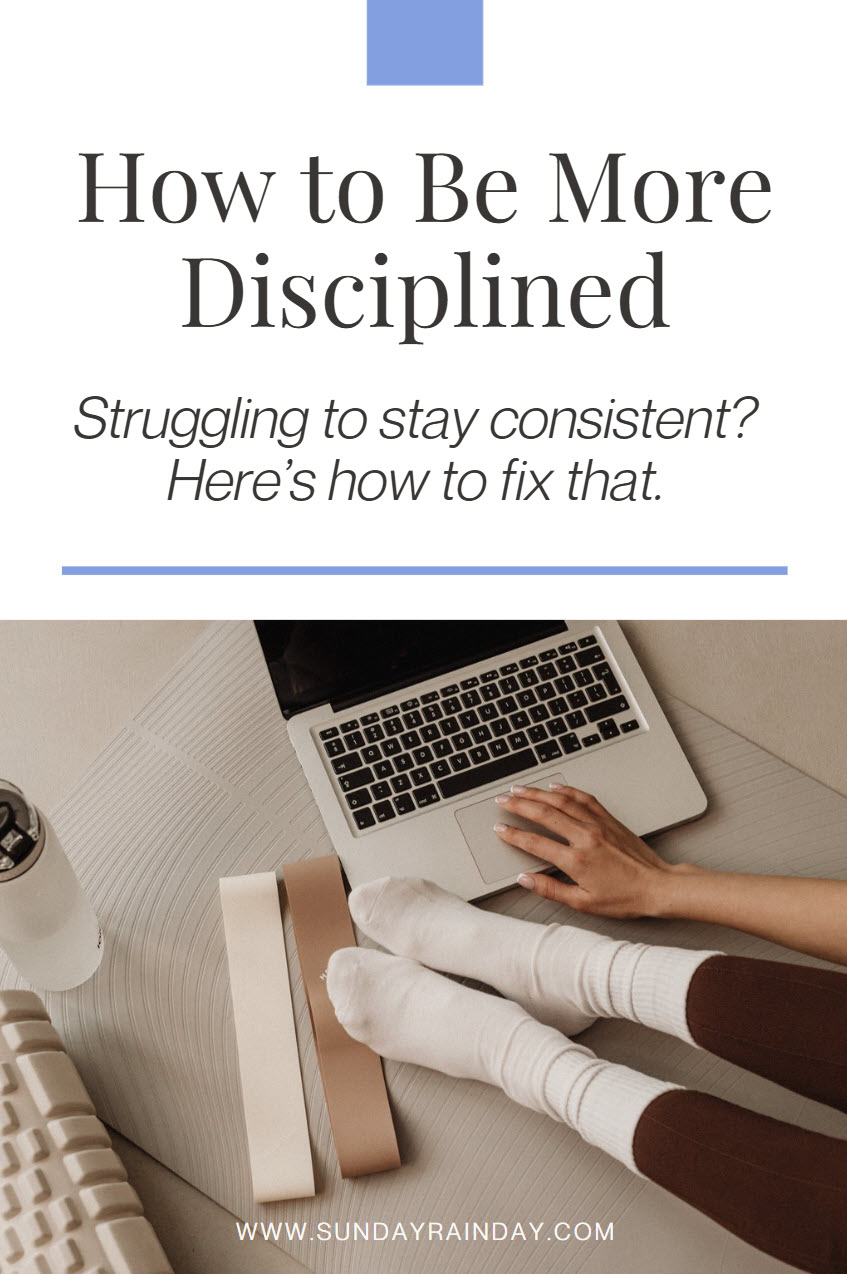
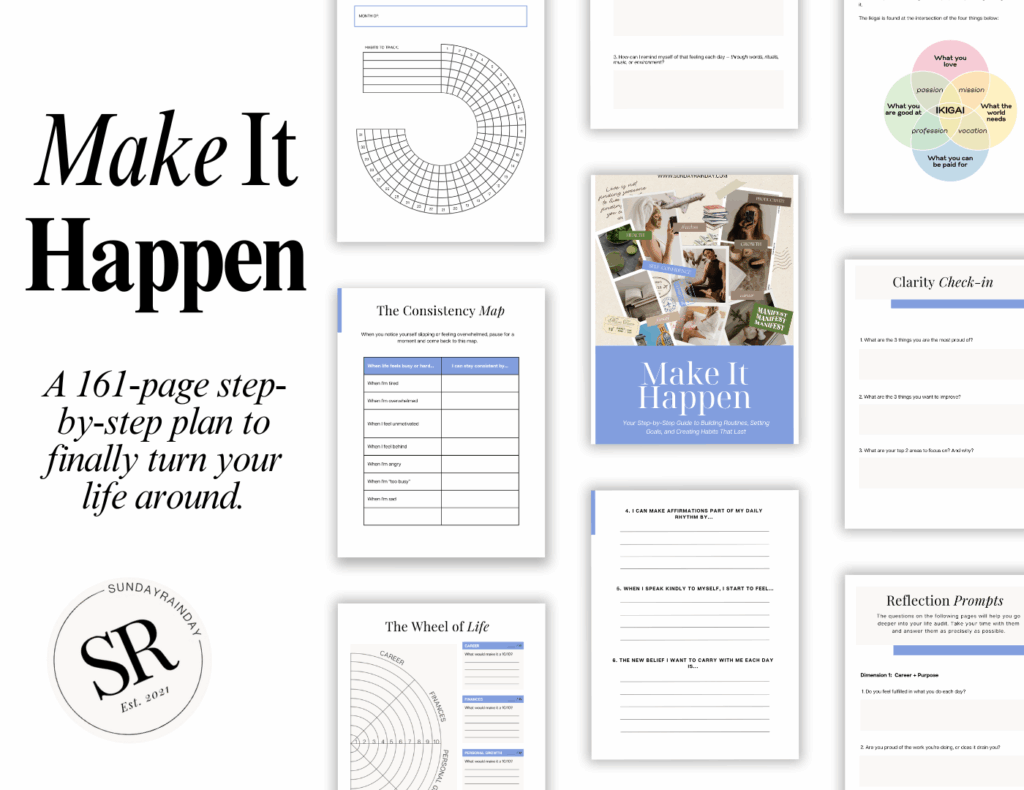
If you would like structured guidance to implement this framework step by step, the Make It Happen workbook was created to help you turn clarity into steady, sustainable action.